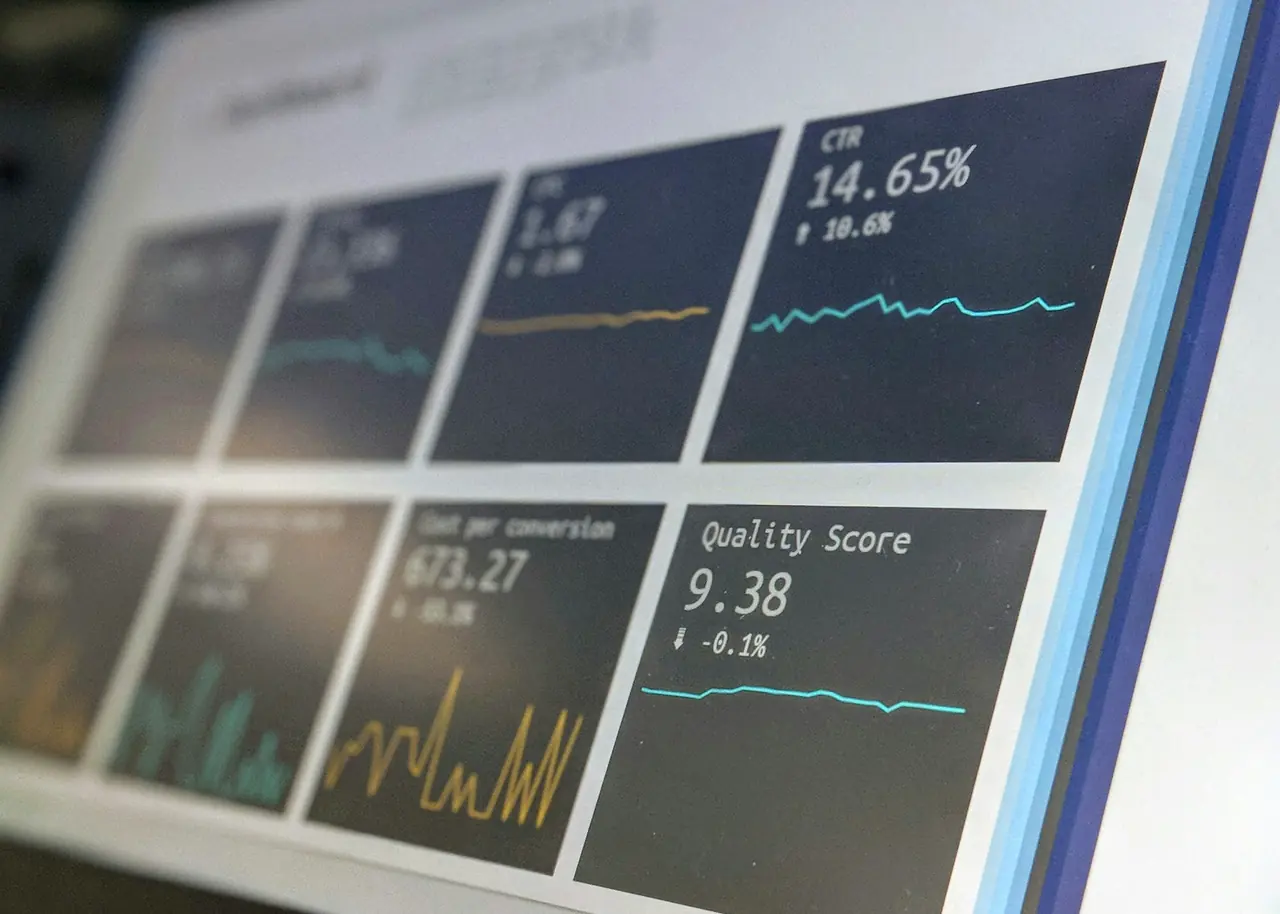
Unified identity, granular permissions, central dashboards and integrations for managing several entities or locations.
Private cloud · On-premise · APIs · Audit
Sovereign architecture
Local AI. Data under your control.
Our systems are designed for on-premise or private deployment, tenant isolation, role-based access, auditability and API integration.
CORE
01
Data sovereignty
Sensitive information never has to leave your infrastructure.
02
Institutional design
Multi-tenant, role-based and fully auditable by design.
03
Open integration
APIs and connectors fit into your existing information system.
04
Explainable intelligence
Reports and signals keep experts in control of decisions.
Platform capabilities
A shared technical foundation. Specialized products.
Our products benefit from common identity, data, reporting and integration layers while retaining product-specific rules and workflows.
CAP / 01
Identity & access
Single sign-on readiness, granular roles, tenant separation and user lifecycle management.
CAP / 02
Audit & compliance
Unambiguous event history, decision traceability, controlled exports and retention policies.
CAP / 03
Data & analytics
Governed data models, operational indicators, exportable reports and role-based dashboards.
CAP / 04
Integration interfaces
REST APIs, controlled import/export and connectors for identity, ERP and existing platforms.
CAP / 05
Security & continuity
Encryption, backups, monitoring, environment isolation and service-appropriate recovery plans.
CAP / 06
Localization & accessibility
Arabic, French and English interfaces, RTL support and responsive desktop and mobile experiences.
Delivery method
From institutional problem to an adopted, operating system.
We begin with the outcome and data context, then build the smallest release that proves value before scale. Every phase has a decision, deliverables and acceptance criteria.
01
Discover & design
Map users, workflows, data and risks; define scope, target outcomes and system boundaries.
02
Prototype & pilot
Testable prototype or pilot using realistic data, roles and operational scenarios.
03
Build & integrate
Product engineering, interfaces, integrations, permissions and complete audit workflows.
04
Validate & launch
Functional and security validation, controlled migration, training and phased go-live.
05
Operate & improve
Monitoring, support, adoption and performance measurement, followed by evidence-led releases.
Operations & partnership
We do not only deliver software; we build operating capability.
01
Team enablement
Administrator and user training, operating guides and explicit support paths.
02
Product governance
Priority forum, release roadmap, change management and usage-informed decisions.
03
Measurable support
Service levels, incident classification, proactive monitoring and recurring reporting.
04
Continuous evolution
Evidence-led improvement of experience, performance, business rules and intelligent models.
Platform questions
Before building an institutional system, what should you know?
Practical answers about data, AI, integration, security and operations.
Can the systems run inside our infrastructure?+
Yes. The ecosystem is designed for on-premise or private-cloud deployment, with tenant isolation, roles, audit trails and retention policies.
Does sensitive data have to leave the institution?+
Not necessarily. The client chooses the deployment model, data location and AI components. Processing can remain inside the trusted environment.
How do the products integrate with existing systems?+
REST APIs, controlled import and export, and connectors for identity, ERP and existing platforms are available, with permissions and traceability for each operation.
Is each product independent or part of one platform?+
Products remain specialized and independent in their workflows while sharing identity, data, reporting and integration layers when useful.
How do we start without committing to a large project?+
We map use cases and data first, then build a prototype or pilot with realistic scenarios and explicit acceptance criteria before scaling.
What happens after launch?+
Enablement includes training, administrator guides, service levels, monitoring, incident classification, a release roadmap and evidence-led continuous improvement.
Build your next system with us.
We turn complex institutional requirements into clear, secure and scalable products.
 DAS TECHNOLOGYAPPLIED INTELLIGENCE